Referral partner’s compensation philosophy
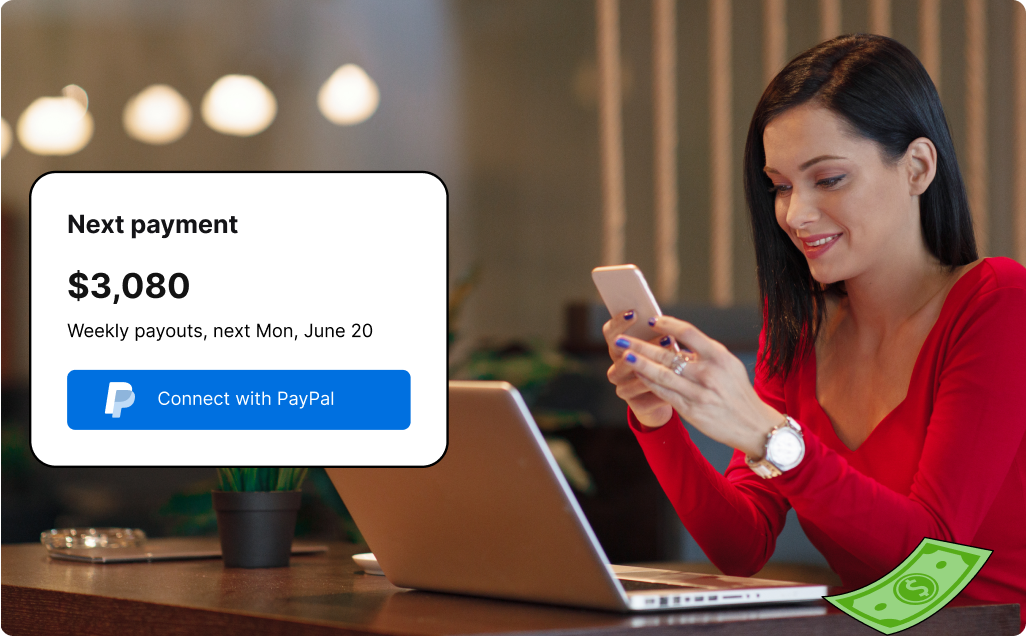
Make your referral partners incredibly rich!
All famous icons and industry titans, from real estate moguls to Broadway legends, emphasize this: “Make your partners incredibly rich!” When designing referral programs, generosity isn't just kind—it's strategic. Craft irresistible offers that attract people to your referral program and motivate them to bring consistent, high-quality referrals your way.
Never count the other person’s money: Don't worry about how much people are making by referring business to you. Make the math make sense for your business, and if your referral partners get rich by referring people to you, that's great! They’re going to be an amazing referral partner. If you know your customer acquisition cost, you should be able to give at least that amount to a referral partner. Their success directly fuels your growth. Don’t lose deals by being greedy and focusing on how much the other person makes.
Infinite pie mentality: Business isn't a zero-sum game. Instead of seeing sales profits as limited, think of the profit "pie" as infinite. By inviting more people to participate and succeed, you’re paving the way to build a multi-billion-dollar company.
Cost to acquire a customer (CAC): If you know your customer acquisition cost, you should be able to give at least that amount to a referral partner. You either pay Mark Zuckerberg to advertise on Facebook or your customers, neighbors, industry professionals, etc., to refer business to you. You can almost guarantee that a referral from a customer or partner will be worth much more in lifetime value (LTV) than a lead from Facebook ads. Consider referral partners as having 10,000 people wishing you success every night. That’s how you build generational, multi-billion-dollar businesses and unicorn companies.
Learn from the Giants—The 1/10th rule
Think of it this way: you get to keep 1/10th of the wealth you build for other people.
This means you need to make 10 times as much money for others as you do for yourself. Framing it this way—“How do I make everyone else a lot of money?”—ensures that everyone loves doing business with you and wants to keep doing business with you.
| 2023 | Company earned | Ecosystem partners earned |
| Microsoft | $211.9 billion in revenue | $1.3 trillion in revenue |
| Salesforce | $34.1 billion in revenue | $1.7 trillion in revenue |
| HubSpot | $2.1 billion in revenue | $35 billion in revenue |
| Shopify | $5.6 billion in revenue | $210 billion in revenue |
Make offers so good that people feel stupid saying no.
- Incentives: Remember, cash is king!
- Time kills motivation: If your sales cycle takes 6 months, you’re asking referrers to wait way too long to get paid. Either pay for smaller wins earlier in the funnel—like a qualified lead, booked meeting, quote request, or showroom visit—or make the 'Deal won' payout big enough that they’ll happily wait 6 months to see any reward while continuing to refer more people.
- Effort without reward kills motivation: If your sales team closes 5% of referrals, it takes 20 introductions to get paid vs. 10 introductions at a 10% close rate. If the reward isn’t big enough to make that effort worthwhile, referrers won’t bother. Either lower the barrier by paying for smaller wins earlier in the sales funnel—like qualified leads, booked meetings, quote requests, or showroom visits—or make the 'Deal won' payout big enough that they won’t think twice about putting in the effort to send 20 introductions.
- Risk without reward kills motivation: Referrers can’t control your product—like inventory, pricing, or competition—or your team’s sales experience and training. What they can control is how many introductions they make and the fact that they’re putting their personal reputation on the line to endorse your company. If you’re only paying for closed deals, you’re asking them to take risks they can’t control. Pay them for what they can control—like qualified leads or booked meetings—or make the payout big enough to justify the risk and keep them referring.
- Thoughtful gestures: A study on restaurant tips showed how small, thoughtful gestures can dramatically increase results. When waiters handed a bill with one mint candy, tips increased by 3%; with two mints, they rose by 14%. But the real game-changer was when waiters gave one mint, walked away, then returned with a second “surprise” mint—tips shot up 23%. Why? Reciprocity. People feel obligated to give back when a gesture feels thoughtful, unexpected, and personal. Use this same psychology by offering one-time bonuses for milestones—like the first introduction sent, the 5th or 10th referral, or hitting closed-deal milestones. These surprise rewards make referrers feel appreciated and motivate them to keep referring.
- Make it fun: Competition drives results. Use Blabber’s leaderboards to get referrers competing to outdo each other. Then, leverage Blabber’s public feeds to showcase wins, build social proof, and create FOMO so everyone wants in on the action.
- Value exchange: The offer has to feel like a no-brainer, but what’s a no-brainer depends on who you’re talking to. For someone with a lower income, $150 for a closed deal might feel like a jackpot. For someone in a higher income bracket, $150 isn’t even worth sending a text. The reward has to match the person you’re targeting and the value they bring to the table.
Summary
- Amount: The reward must be meaningful to attract people to your referral program, motivating them to start and continue referring.
- Type: Remember, cash is king!
- Make it fun: Integrate gamification elements like levels, tiers, and milestone bonuses to make referring fun and addictive and make your customers and partners compete.
Remember: A well-compensated partner today is a loyal ally for tomorrow.
Outsmart the competition in 5 minutes a week
No-BS insights, built for car dealers and B2B companies. Subscribe — it’s free.